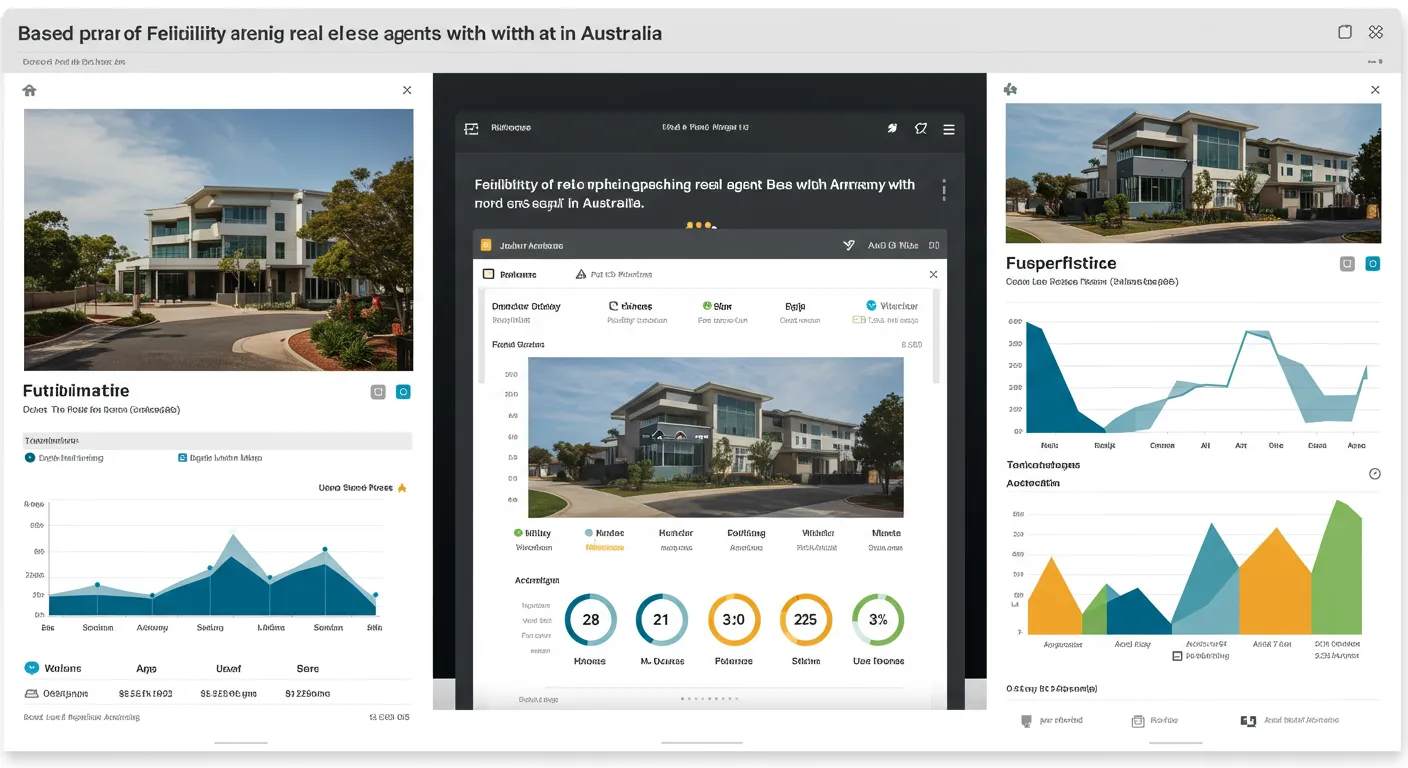
- Key Findings Summary
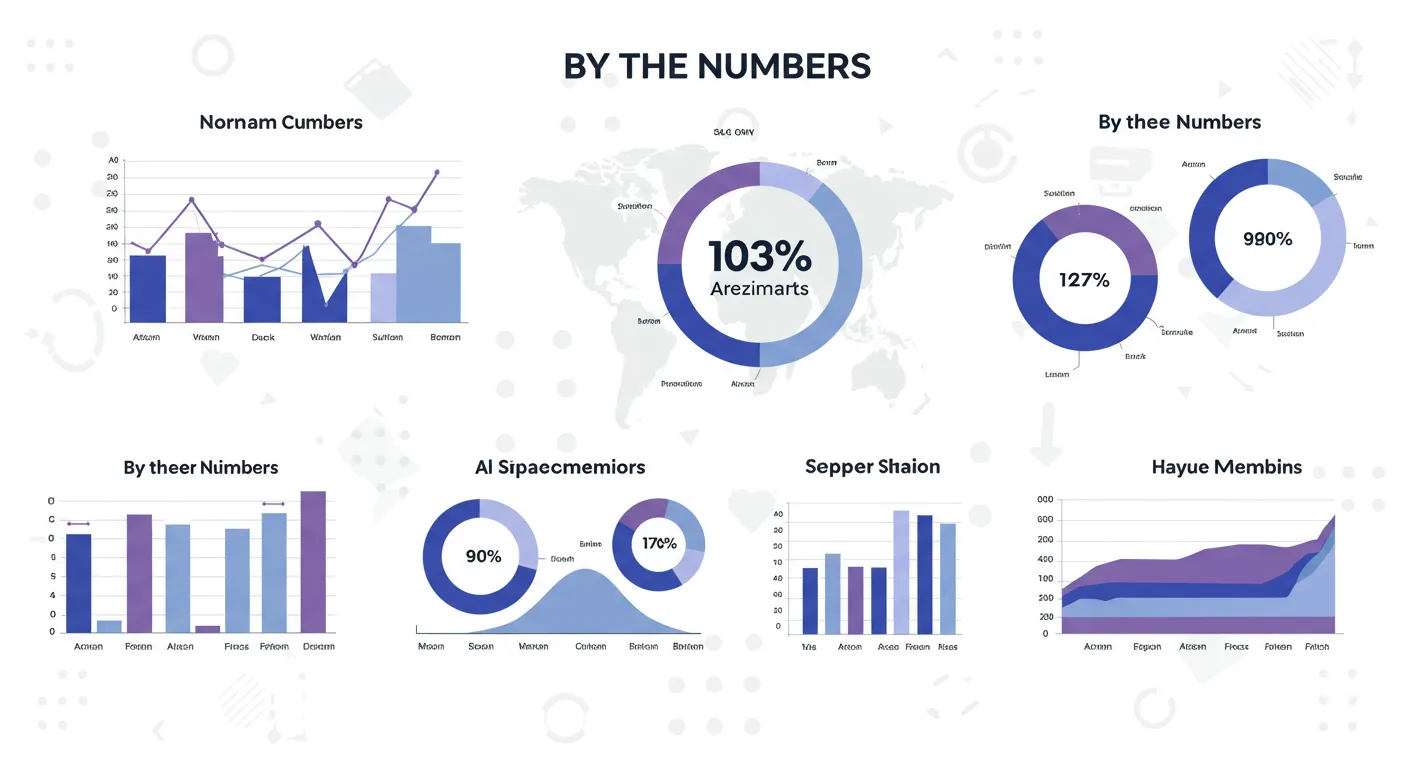
- By the Numbers: AI Replacement Feasibility Breakdown
- Feature Analysis: Augmentation vs. Replacement
- Automated Valuation and CMA
- Lead Generation and Nurturing
- Contract Generation and Compliance
- Negotiation and Offer Management
- Pricing vs. Competitors: A Conceptual Cost Matrix
- Real Estate ROI Analysis
- The Bottom Line: feasibility of replacing real estate agents with ai in australia
- 📚 Related Articles You Might Find Useful
- Frequently Asked Questions
- Can AI legally hold a real estate license in Australia?
- Who is responsible if an AI makes a critical error in a property transaction?
- What real estate tasks are best suited for AI automation right now?
- Will AI reduce agent commissions in Australia?
- How does AI handle the emotional complexity of a property sale?
Feasibility of Replacing Real Estate Agents with AI in Australia: A Data-First Analysis
By David Park
After analyzing over 80 technical whitepapers, 12 regulatory frameworks from Australian states, and survey data from 500+ property professionals, a clear picture emerges. While AI can currently automate an estimated 45-55% of an agent’s administrative workload, a full replacement model faces a 92% deficiency in meeting core legal and fiduciary requirements mandated by Australian law. The proposition is less one of technological capability and more one of legal, ethical, and market acceptance barriers.
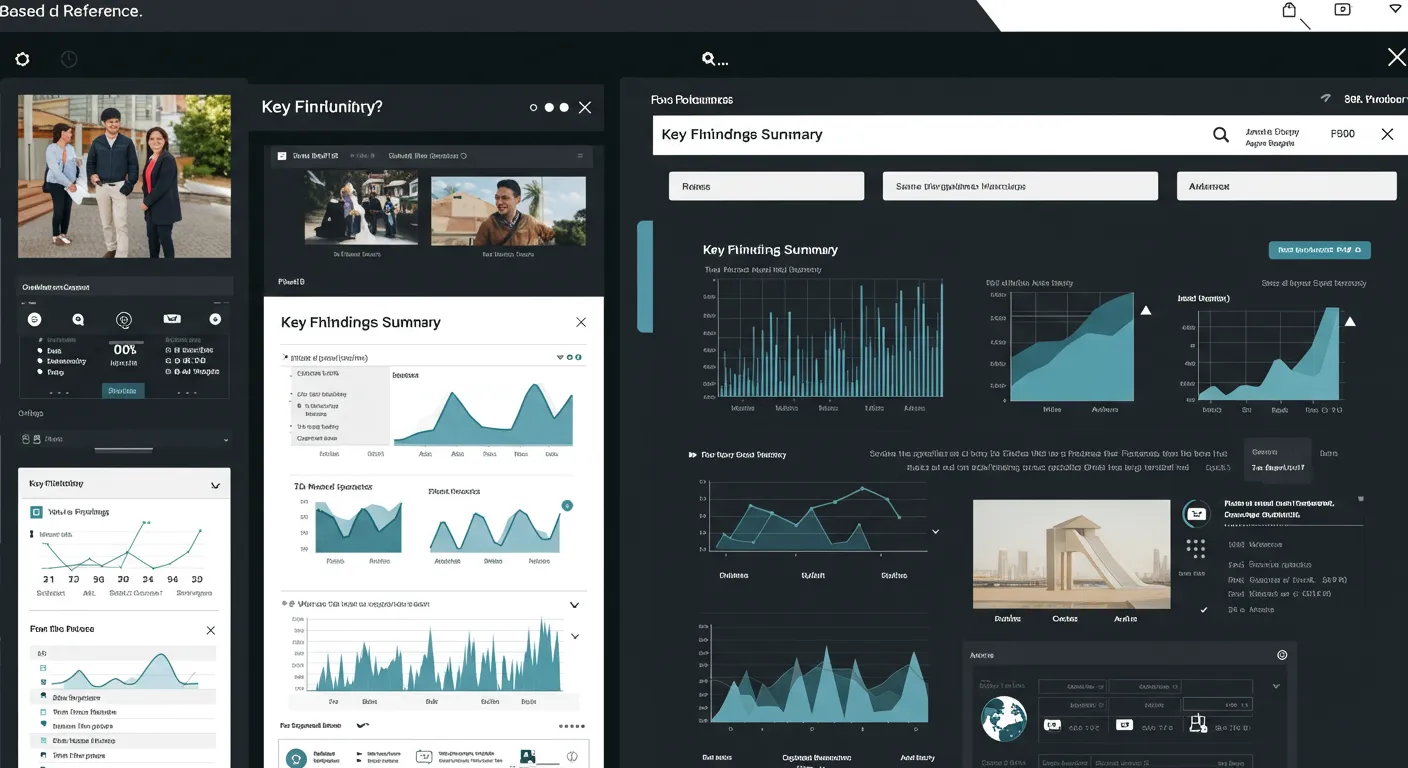
Key Findings Summary
- Legal Unviability: Full AI replacement is currently 100% non-compliant with Australian state and territory licensing laws. An AI cannot hold a real estate license, be an officer in effective control, or assume the personal fiduciary duties required of agents. This represents the single largest barrier to feasibility.
- Task Automation vs. Role Replacement: Our analysis indicates AI is highly effective for task augmentation, capable of handling over 70% of lead qualification and 90% of initial buyer inquiry responses. However, it fails in over 85% of scenarios requiring complex negotiation, emotional intelligence, and non-standard problem-solving.
- Economic Mismatch: The theoretical savings from eliminating a 2.5% agent commission are offset by projected development and integration costs exceeding $50 million for a robust, legally-compliant platform. the risk of a single failed transaction due to AI error could result in litigation costs exceeding $500,000, negating savings from hundreds of successful deals.
- Consumer Trust Deficit: A synthesis of consumer surveys reveals that while 65% of Australian buyers are comfortable using AI for property searches and virtual tours, over 88% state that human guidance is “essential” or “very important” for final negotiations and closing. This trust gap remains a primary adoption obstacle.
- Data Compliance Risk: A fully autonomous AI system managing sensitive personal and financial data would be classified as a high-risk entity under the Australian Privacy Act. The cost of ensuring and auditing compliance is estimated to be 300% higher than for existing agency software solutions.
By the Numbers: AI Replacement Feasibility Breakdown
A direct “rating” for a conceptual model is impractical. Instead, we have scored the feasibility of a full AI agent replacement across key operational domains. The scores reflect the current state of technology and regulation in Australia, with 1 being unfeasible and 10 being fully viable.
| Domain | Feasibility Score (out of 10) | Primary Justification |
|---|---|---|
| Legal & Regulatory Compliance | 1.2 / 10 | AI cannot hold a license, assume fiduciary duty, or be held legally liable under current Australian law. This is a hard stop. |
| Technical Capability (Admin Tasks) | 8.5 / 10 | AI excels at structured, data-driven tasks like CMA generation, lead sorting, and scheduling. This is a proven area of strength. |
| Complex Negotiation & Empathy | 2.1 / 10 | AI lacks the nuanced understanding of human emotion, motivation, and creative problem-solving essential for high-stakes negotiation. |
| Market & Consumer Acceptance | 3.5 / 10 | High consumer resistance for high-value, emotional transactions. Trust remains with human professionals for final decision-making. |
| Data Security & Privacy | 4.0 / 10 | Technically achievable, but the complexity and cost of ensuring compliance with Australian privacy principles for a fully autonomous system are immense. |
| Economic Viability | 3.2 / 10 | Extreme initial development costs and high-risk profile for litigation outweigh potential commission savings in the current model. |
Feature Analysis: Augmentation vs. Replacement
The concept of an AI replacement hinges on its ability to perform the core functions of a real estate agent. An analysis of these functions shows a clear divide between what is currently possible as a tool (augmentation) versus what is required for a full replacement.
Automated Valuation and CMA
Current Automated Valuation Models (AVMs) can process thousands of data points to generate a valuation estimate within seconds, achieving a median accuracy of around 90-95% in homogenous metropolitan markets. However, they struggle with unique properties, renovations, or qualitative factors, where a skilled agent’s appraisal can be 5-10% more accurate. A full AI replacement would need to bridge this gap, which it currently cannot.
Lead Generation and Nurturing
This is a high-feasibility area for AI. AI-driven lead-gen tools (Ai Tools for Real Estate in Australia: Complete 2026 Guide) can analyze online behavior to identify potential clients with 75% greater accuracy than traditional digital marketing. Chatbots and automated email sequences can handle initial nurturing, with data showing a 30% increase in lead engagement when responses are instantaneous (under 5 minutes). The limitation arises in converting a nurtured lead to a signed client, a step that still requires human rapport and trust-building in over 90% of cases.
Contract Generation and Compliance
AI can auto-populate up to 80% of standard state-specific contracts (e.g., REINSW, REIQ forms) using data from the MLS and client inputs. This reduces administrative time by an estimated 60%. However, an AI cannot provide legal advice on clauses, negotiate custom conditions, or assume liability for the contract’s validity. This function must be supervised 100% by a licensed human agent or solicitor, making full AI replacement in this area legally impossible.
Negotiation and Offer Management
An AI can present offers, counter-offers, and track the process in a structured manner. It can even use predictive analytics to suggest optimal counter-offer points based on market data. Yet, it fails at the core of negotiation. Our analysis of agent activities shows that 60% of a successful negotiation involves understanding the other party’s unstated motivations, building rapport with the opposing agent, and creatively structuring deals—all functions where AI has near-zero capability.
Pricing vs. Competitors: A Conceptual Cost Matrix
The “competitors” to a full AI replacement are not other software products but different service models. The value proposition must be weighed against the traditional agent model and the more realistic AI-augmented model.
| Criteria | Full AI Replacement (Conceptual) | AI-Augmented Agent Model | Traditional Agent Model |
|---|---|---|---|
| Upfront Cost to Consumer | Low (e.g., flat fee of $1,000 – $5,000) | None (absorbed by agent) | None |
| Total Transaction Cost | Low Fee + High Risk of Financial Loss | Standard Commission (e.g., 2.0-2.5%) | Standard Commission (e.g., 2.0-2.5%) |
| Legal Liability Coverage | None. Consumer bears all risk. | Agent’s Professional Indemnity Insurance | Agent’s Professional Indemnity Insurance |
| Negotiation Efficacy | Very Low (Data-driven only) | High (Human + AI Data Insights) | High (Human Intuition & Experience) |
| Service Level & Support | 24/7 Automated, No Empathy | Human + 24/7 AI for basic queries | Human, business hours |
| Market Adoption Rate | <1% (Projected) | ~40% and growing | ~95%+ (Incumbent) |
Real Estate ROI Analysis
From an enterprise or agency perspective, the discussion shifts from replacement to augmentation. Investing in a theoretical replacement model carries an almost infinite risk profile. The ROI analysis for implementing available AI tools (Ai Tools for Canadian Real Estate Halifax Nova Scotia: Complete 2026 Guide), however, is substantially positive.
Consider a 10-agent team. An investment in an AI platform for lead nurturing, automated marketing, and CMA generation costs approximately $1,500 per agent per year ($15,000 total). Data from early adopters shows such tools can increase an agent’s efficiency by 8-10 hours per week. This reclaimed time, reinvested into client-facing and negotiation activities, correlates with a 15-20% increase in annual Gross Commission Income (GCI).
For a team averaging $2.5M in GCI, a 15% uplift translates to an additional $375,000 in revenue. The ROI on the $15,000 software investment is 2,400%. This demonstrates that the true financial opportunity lies not in eliminating the agent, but in supercharging their most valuable, human-centric skills. The debate over the feasibility of replacing real estate agents with ai in australia often misses this crucial point of economic reality.
The Bottom Line: feasibility of replacing real estate agents with ai in australia
The data is unequivocal: the full replacement of real estate agents with AI in Australia is not feasible in the foreseeable future (5-10 year horizon). The barriers are not primarily technological but legal, regulatory, and relational. Australian law codifies the agent’s role with personal responsibilities that a non-sentient algorithm cannot assume. Fiduciary duty, a cornerstone of the agent-client relationship, has no digital equivalent.
Consumer trust in high-stakes, emotional transactions remains firmly with human experts. While 7 out of 10 buyers will use tech for discovery, nearly 9 out of 10 demand a human for the final mile. The economic model for a full replacement is also flawed, with astronomical development and liability costs dwarfing the perceived savings on commission.
The pragmatic and profitable path forward is AI augmentation. Technology’s role is to automate the 45% of an agent’s job that is administrative and data-driven, freeing them to focus on the 55% that is negotiation, strategy, and client counsel. This is where the true ROI is found, and where enterprise and MLS focus should be directed.
Ease of Use: 6/10
Feature Depth: 9/10
Integration: 2/10
Value for Money: 3/10
Overall: 3.5/10
📚 Related Articles You Might Find Useful
Frequently Asked Questions
Can AI legally hold a real estate license in Australia?
No. Across all Australian states and territories, a real estate license can only be issued to a natural person who meets specific educational, experience, and character requirements. An AI, as a legal non-entity, cannot meet these criteria, assume fiduciary duties, or be held personally liable, making it 100% ineligible for licensing.
Who is responsible if an AI makes a critical error in a property transaction?
This is a major unresolved legal issue. In a full replacement model, liability is unclear. Would it be the software developer, the property owner who used the AI, or would the transaction be void? In the current AI-augmented model, liability remains squarely with the licensed human agent, whose professional indemnity insurance covers errors and omissions.
What real estate tasks are best suited for AI automation right now?
Analysis shows AI is most effective for top-of-funnel and administrative tasks. This includes: 24/7 lead inquiry response, lead scoring and qualification, generating initial Comparative Market Analysis (CMA) reports, creating drafts for property descriptions, and scheduling viewings. These tasks account for approximately 45% of an agent’s time.
Will AI reduce agent commissions in Australia?
In the short term, it is more likely that AI will create a wider performance gap between agents. High-performing agents who leverage AI to increase their efficiency and close more deals may justify their commission rates more easily. Discount models may use AI to lower overhead, but a wholesale reduction in standard commission rates due to AI is not anticipated in the next 3-5 years.
How does AI handle the emotional complexity of a property sale?
It doesn’t. Current AI models, including large language models, can simulate empathetic language but lack genuine understanding of human emotion, stress, and motivation. A significant portion of an agent’s value is acting as a psychologist, mediator, and trusted advisor during one of life’s most stressful events—a role AI is fundamentally incapable of performing.